
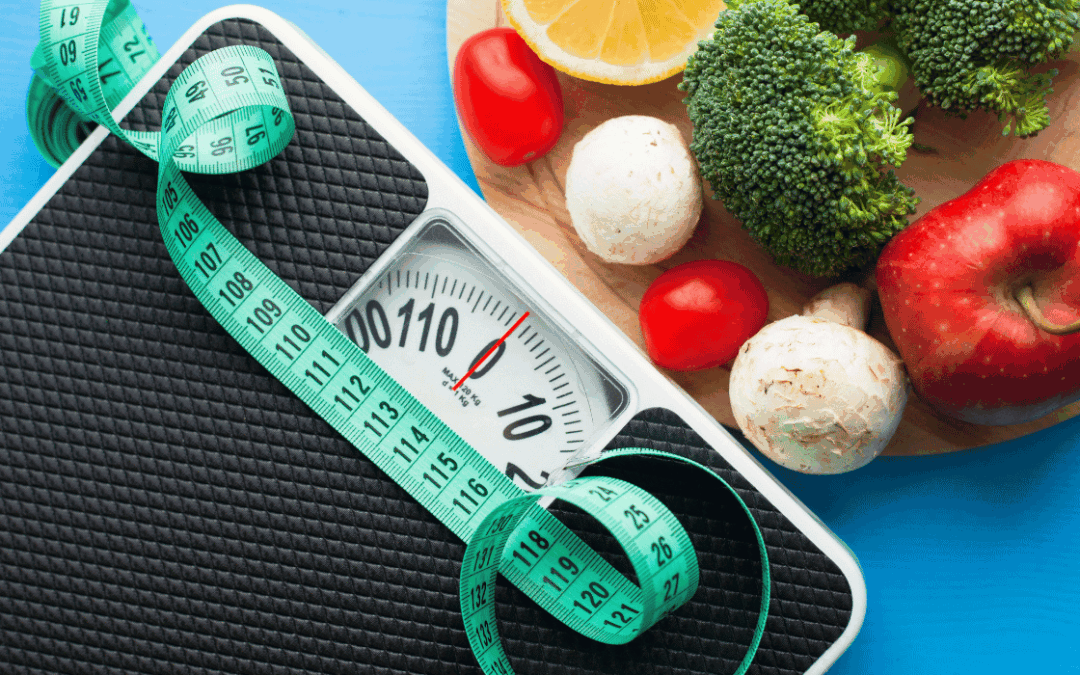
You are eating what seems like a healthy diet. You are moving your body, drinking water, and trying your best. But the number on the scale is not moving, or worse, it is going up. Sound familiar?
The truth is, some of the most common foods that cause weight gain are the ones we eat every single day without thinking twice. They are hiding in snack cabinets, morning routines, and even so-called “healthy” food packages.
This article will walk you through those hidden culprits, the foods that quietly pile on calories, slow down your metabolism, and make your body hold on to fat. More importantly, we will show you what to reach for instead so you can feel lighter, stronger, and more energized every day.
What Does “Slowing Your Metabolism” Actually Mean?
Before we dive in, let’s make this simple. Your metabolism is the process your body uses to turn food into energy. When your metabolism is working well, your body burns calories efficiently throughout the day even while you are resting.
But when certain foods disrupt this process, your body starts storing more and burning less. You feel sluggish and tired, and it becomes harder to manage your weight even when you are trying hard.
The foods that cause the most weight gain are often not the obvious ones. They are the sneaky ones packaged, processed, or simply eaten in the wrong amounts at the wrong times.
Hidden Foods That Cause Weight Gain (And Slow Your Metabolism)
White Bread and Refined Grains
White bread, white rice, and refined pasta are stripped of their fiber and most of their nutrients during processing. What is left behind is mostly simple starch that your body breaks down very quickly.
This causes a fast spike in blood sugar, followed by a sharp crash. That crash makes you hungry again soon after eating, and the cycle repeats. Over time, this pattern makes it very easy to overeat and gain weight.
Better choice: Swap white bread for whole-grain or sprouted-grain bread. Choose brown rice, quinoa, or millet instead of white rice. These keep you fuller for longer and support a steadier metabolism.
Sugary Fruit Juices and Packaged Drinks
Many people think fruit juice is a healthy option. But most packaged juices, even ones labeled “100% natural,” are loaded with sugar and stripped of the fiber that makes whole fruit so good for you.
When you drink your calories rather than chew them, your body does not register fullness in the same way. You end up consuming a lot of sugar very fast, which spikes insulin levels and tells your body to store fat.
Better choice: Eat the whole fruit instead, a fresh apple, orange, or a handful of berries. Or blend a smoothie at home with whole fruits, leafy greens, and a little water or plant-based milk to keep the fiber intact.
Flavored and Sweetened Vegan Yogurt Alternatives
Plant-based yogurt alternatives, made from coconut, almond, oat, or soy, can be genuinely nutritious. But many store-bought flavored versions have as much added sugar as a small dessert.
Sugar is one of the most well-known foods that cause weight gain because it encourages fat storage, disrupts gut bacteria, and triggers cravings for more sweet food throughout the day.
Better choice: Buy plain, unsweetened plant-based yogurt and add your own fresh fruit, a drizzle of date syrup, or a handful of nuts and seeds for natural sweetness and texture.
“Low-Fat” Packaged Snacks
This one surprises a lot of people. When food manufacturers remove fat from a product, they almost always replace it with added sugars, refined starches, or artificial ingredients to make up for the lost flavor.
So that low-fat granola bar or reduced-fat cracker may actually slow down your metabolism more than the original version would. Your body does not feel satisfied, and you end up eating more.
Better choice: Look for whole-food snacks instead, like a small handful of almonds, walnuts, or cashews; some sliced vegetables with hummus; or a piece of fresh fruit with a spoonful of nut butter.
Flavored Instant Oatmeal Packets
Plain oatmeal is one of the best foods for your metabolism. But flavored instant oatmeal packets that come in single-serve pouches are a different story. They are often packed with added sugar, artificial flavoring, and very little fiber compared to whole oats.
The sugar in these packets causes the same blood sugar spike-and-crash effect that leads to hunger and overeating shortly after breakfast.
Better choice: Cook plain rolled oats or steel-cut oats and add your own toppings, such as sliced banana, a sprinkle of cinnamon, some chopped dates, or a few walnuts. It takes only a few extra minutes and makes a big difference.
Vegetable Oils in Large Amounts
Not all fats are equal. While whole-food plant fats like avocado, coconut, and nuts are generally supportive of good health in moderate amounts, refined vegetable oils, like soybean oil, corn oil, and sunflower oil, are very calorie-dense and easy to overuse.
Just two tablespoons of any cooking oil adds over 200 calories to a meal. Because these oils are flavorless and invisible, people often use far more than they realize.
Better choice: Use oil sparingly. Cook with water, sautéing or steaming vegetables, or use small amounts of cold-pressed olive oil or coconut oil. Let whole-food fats like avocado and tahini do the heavy lifting in your meals.
Store-Bought Granola
Granola looks wholesome: oats, nuts, seeds, maybe some dried fruit. But most store-bought granola is sweetened heavily with cane sugar, maple syrup, or agave. The calorie count per serving is often much higher than people expect.
To make things worse, the “serving size” printed on the label is usually very small, far less than what most people actually pour into a bowl.
Better choice: Make your own simple granola at home using oats, seeds, nuts, a few coconut flakes, and just a small amount of natural sweetener like dates or banana. Bake it low and slow and store it in a glass jar.
Dried Fruit in Large Quantities
Dried fruits like raisins, mangoes, apricots, and cranberries can be a wonderful addition to your diet in small amounts. They offer vitamins, minerals, and natural sweetness.
But dried fruit is extremely concentrated. A small cup of dried mango has far more sugar and calories than a whole fresh mango. It is also much easier to eat in large quantities because the water has been removed, so it does not feel filling.
Better choice: Use dried fruit as a garnish, a small sprinkle over oatmeal or in trail mix, rather than eating it by the handful. Pair it with raw nuts to balance the sugar with healthy fat and protein.
Soy Sauce and High-Sodium Condiments
Soy sauce, teriyaki sauce, and other high-salt condiments do not add many direct calories. But they are loaded with sodium, which causes your body to retain water. This leads to bloating, puffiness, and a feeling of heaviness that many people mistake for fat gain.
High sodium intake also increases cravings for more food, making portion control harder.
Better choice: Use low-sodium soy sauce or coconut aminos, which have a similar flavor with much less sodium. Fresh herbs, lemon juice, and spices like cumin, turmeric, and coriander can add deep flavor without the salt load.
Vegan Processed and Fast Foods
Just because something is labeled “vegan” does not automatically make it healthy. Vegan burgers, vegan cheese, vegan processed meats, and many plant-based convenience foods are often high in refined oils, sodium, and additives that work against your metabolism.
These ultra-processed vegan foods may support ethical eating choices, but they can still contribute significantly to weight gain when eaten regularly.
Better choice: Build your meals around whole plant foods, legumes, lentils, tofu, tempeh, vegetables, whole grains, fruits, and seeds. These are the true foundations of a metabolism-supporting vegan diet.
Healthy Lifestyle Tips to Support Your Metabolism

Removing these hidden foods is only part of the picture. Here are simple daily habits that support healthy weight management alongside a clean plant-based diet:
- Stay hydrated. Drinking enough water supports digestion, reduces false hunger signals, and keeps your metabolism running smoothly. Aim for 6–8 glasses of water daily.
- Eat at regular times. Irregular eating confuses your body’s hunger hormones. Try to eat healthy meals around the same time each day.
- Get enough sleep. Poor sleep raises the hunger hormone ghrelin and makes you crave sugary, high-calorie foods. Most adults need 7–9 hours of quality sleep.
- Move your body daily. Even a 20–30 minute walk after meals can significantly improve how your body processes food.
- Manage stress. Chronic stress raises cortisol, a hormone that promotes fat storage, especially around the belly area. Deep breathing, gentle movement, and mindfulness practices can all help.
Mindset and consistent habits matter just as much as food choices. Rajesh Chotalia often speaks about the power of small, daily decisions in personal growth and health through his YouTube channel, New Age Indian Dad, where he shares life experiences and real-world lessons on living a healthier, more balanced life.
When to Seek Professional Help
If you have been making consistent healthy changes but are still struggling with unexplained weight gain or fatigue, it may be worth speaking with a healthcare professional. Certain underlying conditions, such as thyroid imbalances, hormonal changes, or digestive issues, can affect metabolism and weight even when your diet and lifestyle habits are solid.
A registered dietitian, naturopathic doctor, or your family physician can help identify any factors that may be working against your efforts. Do not hesitate to reach out for professional guidance; it is always a sign of wisdom, not weakness.
Conclusion
Understanding the foods that cause weight gain is one of the most empowering steps you can take for your health. It is not about being perfect or cutting everything out. It is about becoming more aware of what is in the foods you eat every day.
Small changes, swapping flavored juice for whole fruit, choosing whole grains over refined ones, and reading labels on packaged foods add up to big results over time. Your body is incredibly intelligent and responsive. When you give it real, whole, plant-based foods, it knows exactly what to do.
At Simple Healthy Living Community, founded by Rajesh Chotalia, the belief is simple: good health is built one daily habit at a time. Through wellness education, healthy eating guidance, and practical lifestyle strategies, the community is here to support you every step of the way. Visit simplehealthylivingcommunity.org to explore more resources for your wellness journey.
You do not have to figure this out alone, and you do not have to do everything at once. Start with one small change today. Your future self will thank you.
Frequently Asked Questions
What are the most common foods that cause weight gain without people realizing it?
The most common hidden culprits include flavored packaged juices, refined grains, store-bought granola, flavored plant-based yogurts, and ultra-processed vegan convenience foods. These foods are often high in added sugar, refined carbohydrates, or sodium, all of which can interfere with healthy weight management.
Can a vegan diet still lead to weight gain?
Yes. A vegan diet is not automatically a weight-loss diet. Heavily processed vegan snacks, high-sugar drinks, refined grains, and large amounts of calorie-dense oils can all contribute to weight gain even without any animal products.
How do I know if a food is slowing my metabolism?
Common signs include feeling hungry again very soon after eating, experiencing energy crashes in the afternoon, difficulty losing weight despite a reasonable diet, and persistent bloating. Keeping a simple food diary for a week can help you spot patterns.
Are dried fruits bad for weight loss?
Not necessarily, but portion size matters a great deal. Dried fruits are nutritious and full of antioxidants, but they are calorie-dense and easy to overeat. A small handful as part of a balanced snack is fine; eating large amounts daily can add up quickly in terms of sugar and calories.
What should I eat instead of sugary snacks to support my metabolism?
Great whole-food vegan snack options include fresh fruit with almond butter, raw vegetables with hummus, a small handful of mixed nuts and seeds, plain coconut or soy yogurt with berries, or a homemade energy ball made with oats, dates, and nuts.