
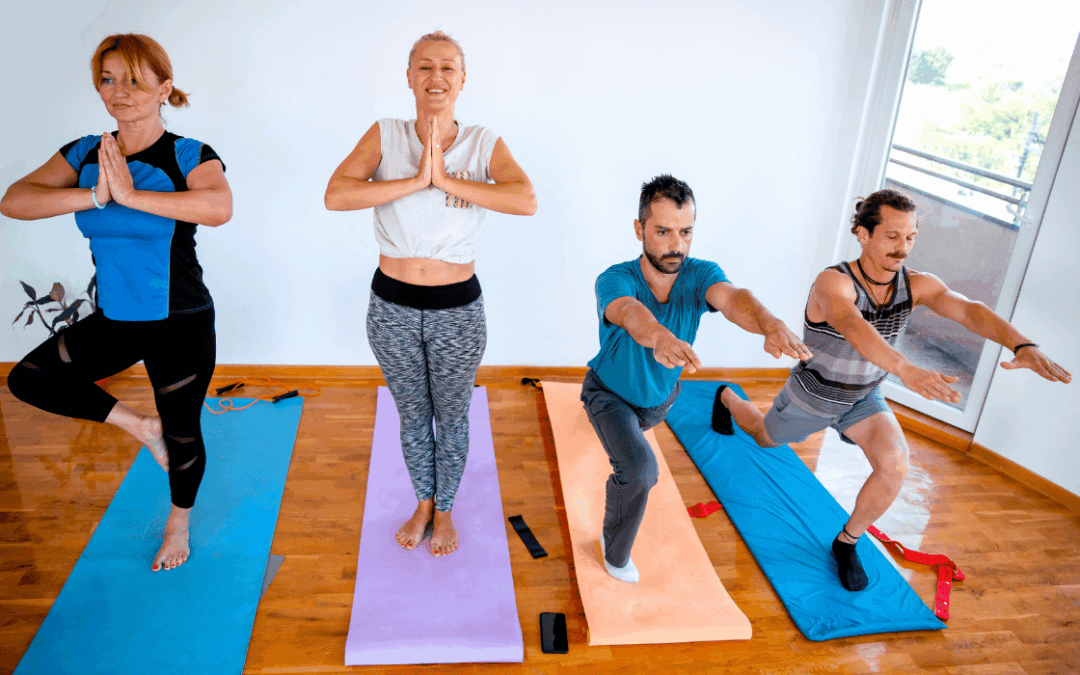
Do you ever notice how a short walk outside can shift your entire mood? Or how a few minutes of stretching can help you feel calmer and more at ease?
There is a real connection between physical movement and how we feel emotionally. The best exercises to improve mood naturally don’t have to be intense or complicated. They just need to be consistent and enjoyable.
In this article, we’ll walk you through simple, effective exercises that can help lift your spirits, ease anxiety, and support your mental health — all without medication or expensive gym memberships.
What Is the Connection Between Exercise and Mood?
When you move your body, your brain responds. Physical activity triggers the release of chemicals like endorphins, serotonin, and dopamine. These are often called “feel-good” chemicals because they create a sense of happiness, calm, and motivation.
Exercise also lowers cortisol, which is the stress hormone your body releases during times of tension and worry. High cortisol levels over time can contribute to anxiety, poor sleep, and low energy.
The good news is that you don’t need to run a marathon to feel the benefits. Even light movement done regularly can shift your emotional state in a positive direction.
Who Can Benefit From Exercise for Mood?
Almost anyone can benefit from regular physical movement. However, these exercises are especially helpful for:
- Adults aged 35 and older who notice mood changes with age
- Seniors managing fatigue, loneliness, or low motivation
- People dealing with daily stress or emotional ups and downs
- Individuals managing mild anxiety or low mood
- Anyone looking for natural ways to feel better mentally and physically
If you have a chronic health condition or have been inactive for a long time, it is always a good idea to check with your healthcare provider before starting a new exercise routine.
Signs Your Mood May Need a Natural Boost
Sometimes it can be hard to recognize when our mood is suffering. Here are some common signs that more movement might help:
- Feeling tired even after a full night of sleep
- Low motivation or difficulty getting started on tasks
- Feeling irritable, anxious, or overwhelmed more often than usual
- Difficulty concentrating or thinking clearly
- Feeling disconnected from friends, family, or daily life
- A general sense of sadness or emotional heaviness
These feelings are common and don’t always require medical intervention. Often, simple lifestyle changes like regular movement can provide real relief. That said, if these symptoms are persistent or severe, please speak with a healthcare professional.
Best Exercises to Improve Mood Naturally
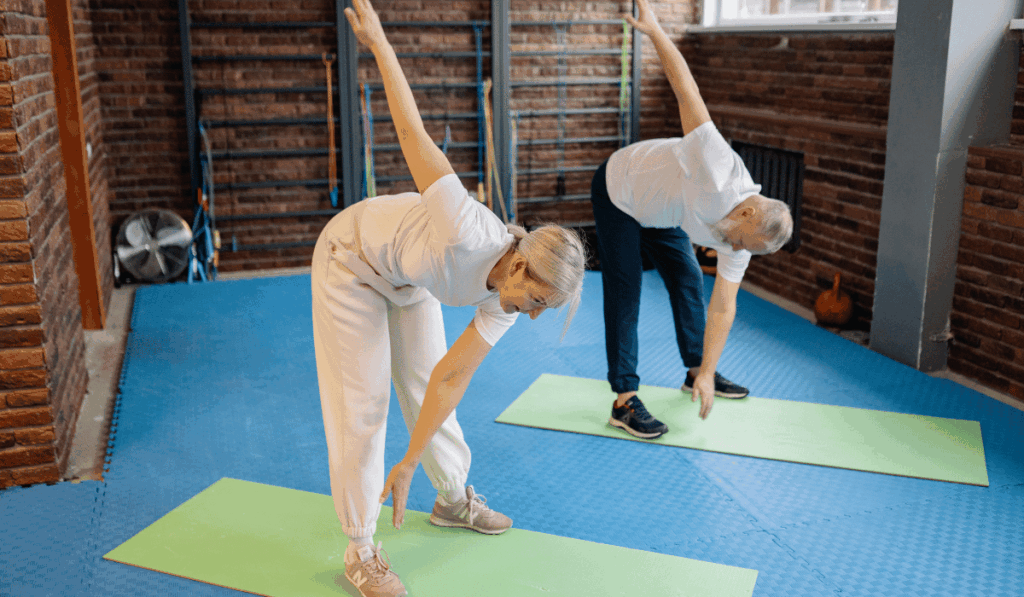
Here are some of the most effective and accessible exercises for lifting your mood naturally.
Walking in Nature
Walking is one of the simplest and most powerful mood-boosting activities available to anyone. A 20 to 30-minute walk outdoors, especially in a green space like a park or garden, has been shown to reduce stress and improve overall mental well-being.
Being in nature adds an extra layer of benefit. The sights, sounds, and fresh air work together to calm the mind and reduce feelings of anxiety. You don’t need special equipment — just comfortable shoes and a safe path.
Try walking in the morning to set a positive tone for your day.
Yoga
Yoga combines gentle movement, breathing, and mindfulness in one practice. It is one of the most well-researched natural approaches for reducing anxiety and improving mood.
Yoga helps regulate the nervous system by activating the body’s relaxation response. Even beginner-friendly poses like Child’s Pose, Cat-Cow, or Legs Up the Wall can help you feel calmer and more centered within minutes.
You can find free yoga sessions online or through community wellness programs. Start with just 15 to 20 minutes a few times a week.
Deep Breathing Exercises
While not a traditional form of exercise, deep breathing activates the same calming pathways in the body. Slow, conscious breathing signals your brain that you are safe, which quickly lowers stress and tension.
One simple technique is box breathing: breathe in for 4 counts, hold for 4 counts, breathe out for 4 counts, and pause for 4 counts. Repeat this 4 to 5 times when you feel overwhelmed or anxious.
Deep breathing can be done anywhere, anytime, and costs nothing.
Stretching and Gentle Movement
Stretching is often overlooked, but it plays an important role in releasing muscle tension that builds up during stress. When your body holds tension, it can affect your mood without you even realizing it.
A gentle 10 to 15-minute stretching routine before bed or in the morning can help your body relax and your mind feel clearer. Focus on areas where you hold the most tension, such as the neck, shoulders, and lower back.
Stretching also improves circulation, which helps deliver oxygen and nutrients to your brain.
Dancing
Dancing is one of the most joyful forms of exercise. It combines rhythmic movement, music, and self-expression—all of which are powerful mood elevators.
You don’t need to take a class or know any special moves. Simply put on music you enjoy and move your body freely in your living room. Even 10 minutes of dancing can raise your energy and create a sense of happiness.
Research supports dance as a helpful activity for reducing depression and improving emotional well-being, particularly in older adults.
Tai Chi and Qigong
These ancient Chinese movement practices combine slow, flowing movements with focused breathing and mindfulness. They are especially well-suited for older adults or those recovering from illness.
Tai Chi and Qigong have been shown to reduce anxiety, improve balance, and support emotional resilience. Many communities offer free or low-cost classes through senior centers and wellness organizations.
Even a short daily practice of 15 to 20 minutes can create a noticeable difference in mood over time.
Swimming or Water Movement
Moving in water is gentle on the joints and deeply calming to the nervous system. Swimming, water walking, or even gentle water aerobics can lift mood while being easy on the body.
The combination of rhythmic movement and cool water creates a meditative quality that many people find deeply relaxing. If you have access to a community pool or natural body of water, consider adding water-based movement to your routine.
Healthy Lifestyle Tips to Support Mood Through Movement
Exercise alone works best when supported by other healthy habits. Here are some complementary tips to enhance your mood naturally:
Eat mood-supporting plant-based foods. A diet rich in colorful vegetables, fruits, whole grains, legumes, nuts, seeds, and plant-based foods provides the nutrients your brain needs to regulate mood. Foods like leafy greens, berries, bananas, walnuts, flaxseeds, and avocados are especially supportive of mental well-being.
Stay hydrated. Even mild dehydration can cause fatigue and irritability. Drink enough water throughout the day to keep your body and mind functioning well.
Prioritize quality sleep. Regular physical activity improves sleep quality, and good sleep is essential for emotional balance. Aim for 7 to 9 hours of restful sleep each night.
Spend time in sunlight. Natural light helps regulate the body’s circadian rhythm and supports serotonin production. Even 15 to 20 minutes of morning sunlight can improve mood noticeably.
Connect with others. Social connection is a powerful mood stabilizer. Join a walking group, attend a community class, or simply spend time with people you enjoy.
Many healthy lifestyle changes begin with small daily decisions. Rajesh Chotalia often discusses personal growth, life lessons, and real-world experiences on his YouTube channel, New Age Indian Dad, where he shares insights from his own journey toward healthier living and personal well-being. His reflections are a meaningful reminder that wellness is built one step at a time.
When to Seek Professional Help
Exercise and lifestyle changes are powerful tools for improving mood naturally. However, they are not a substitute for professional care when it is truly needed.
Please consider speaking with a healthcare professional if:
- Your low mood or anxiety has lasted more than two weeks
- You are having difficulty functioning at work, home, or in relationships
- You are experiencing thoughts of self-harm or hopelessness
- Physical symptoms like chest pain or dizziness arise during exercise
There is no shame in asking for help. A trusted doctor, counselor, or wellness professional can work with you to build a plan that supports both your physical and mental health.
Conclusion
Your mood has more power over your quality of life than most people realize. And the good news is that you have natural tools available to improve it—starting today.
The best exercises to improve mood naturally don’t require expensive equipment, a gym membership, or hours of your day. A daily walk, a few minutes of yoga, some music and dancing, or a quiet breathing practice can genuinely transform how you feel.
At Simple Healthy Living Community, we believe that small, consistent steps lead to real, lasting change. Whether you are 35 or 75, whether you are just starting or getting back on track, you deserve to feel good — mentally and physically.
Start with one exercise from this list. Try it for a week. Notice how your body and mind respond. Then build from there.
Your wellness journey is yours to shape, and every positive step forward matters.
Frequently Asked Questions
How quickly can exercise improve my mood?
Many people notice a mood lift within 10 to 20 minutes of starting physical activity. This is due to the quick release of endorphins and other mood-related brain chemicals. Regular exercise over several weeks produces longer-lasting emotional benefits.
Do I need to exercise intensely to feel better mentally?
No, light to moderate exercise like walking, stretching, yoga, or dancing is just as effective for mood improvement as intense workouts. In fact, gentle movement is often more sustainable and less stressful on the body.
Can exercise help with anxiety?
Yes. Regular physical activity has been shown to reduce anxiety by lowering cortisol levels and activating the body’s natural calming systems. Yoga, deep breathing, and walking in nature are particularly effective for anxiety relief.
How often should I exercise for mood benefits?
Most research suggests that 20 to 30 minutes of movement most days of the week is enough to experience mood benefits. Even three to four sessions per week can make a meaningful difference.
What if I have physical limitations that prevent me from exercising?
There are many gentle options for people with physical limitations, including seated stretching, deep breathing exercises, chair yoga, and water-based movement. Start with what your body