
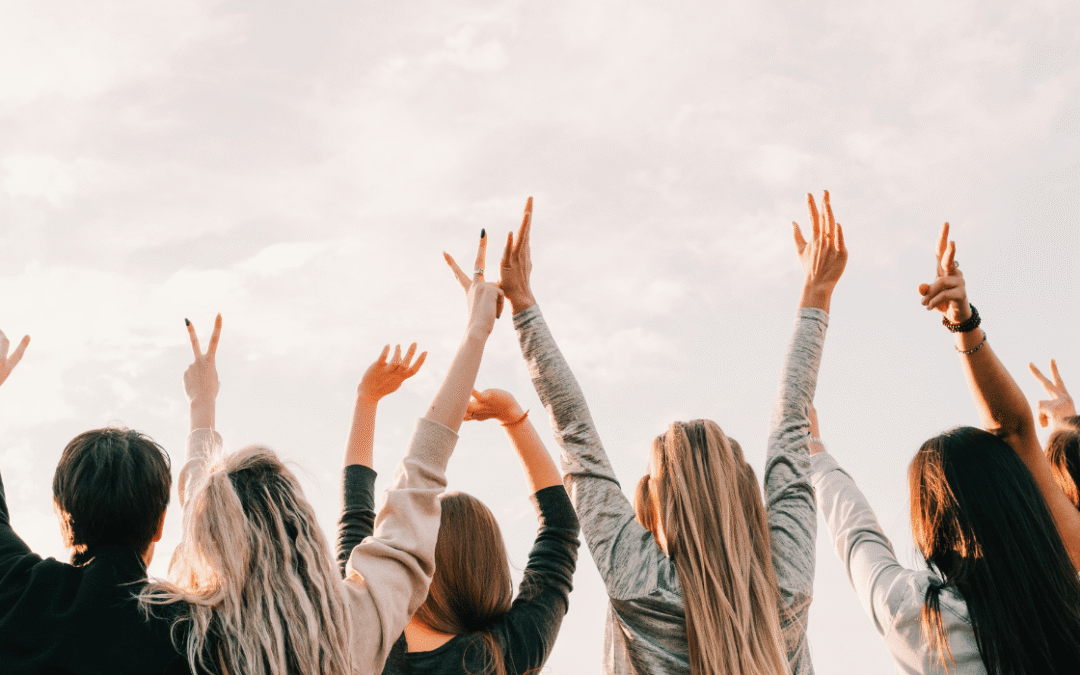
Every year on August 12, the world pauses to celebrate something powerful: the energy, creativity, and potential of young people. International Youth Day isn’t just another date on the calendar. It’s a reminder that the habits young people build today will shape the health of entire communities tomorrow.
As we look ahead to International Youth Day 2026, there’s no better time to talk about something close to our hearts at the Simple Healthy Living Community: helping young people build healthy habits that last a lifetime. Whether you’re a parent, a mentor, or a young person yourself, this article will walk you through why this day matters and how small, sustainable choices can lead to a healthier future.
What Is International Youth Day?
International Youth Day was established by the United Nations General Assembly to recognize the voices, contributions, and challenges of young people across the globe. It’s observed every year on August 12, and it brings together governments, schools, community groups, and families to talk about issues that matter most to youth.
Each year carries its own theme, often centered on topics like education, opportunity, innovation, and global solidarity among young people from different backgrounds and circumstances. Beyond the official themes, International Youth Day is also a wonderful opportunity for families and communities to reflect on something more personal: how are we supporting the physical, mental, and emotional well-being of the young people around us?
At its core, this day is about investing in the next generation not just through education and opportunity but through everyday habits that support strong bodies and calm minds.
Who Benefits From a Focus on Youth Wellness?
Healthy habits formed early in life create ripple effects that last for decades. This conversation matters for:
- Teenagers and young adults, who are navigating school pressure, social changes, and the early stages of independence
- Parents and caregivers, who want to guide their children toward balanced, sustainable lifestyle choices
- Teachers and mentors, who spend significant time shaping the daily routines of young people
- Community wellness advocates, who see firsthand how early habits influence long-term health outcomes
When young people learn to care for their bodies and minds early on, they carry those tools with them into adulthood, often avoiding many lifestyle-related health struggles later in life.
Why Healthy Habits Matter So Much for Young People
Adolescence and early adulthood are periods of rapid growth physically, emotionally, and socially. During these years, the brain is still developing, the body is establishing metabolic patterns, and emotional resilience is being shaped by daily experiences.
Unfortunately, many young people today face real challenges that can quietly work against their well-being:
- Long hours in front of screens, cutting into physical activity and sleep
- Reliance on heavily processed, packaged snacks instead of whole, natural foods
- Rising academic and social pressure, contributing to stress and anxiety
- Irregular sleep patterns caused by late-night studying or social media use
- Limited exposure to nature and outdoor movement
None of these challenges are anyone’s fault. They’re simply a reflection of how modern life has changed. Fast-paced routines, constant digital connectivity, and academic competition have quietly reshaped what a “normal” day looks like for many young people, often leaving little room for rest, movement, or unstructured play.
The encouraging part is that awareness is the first step toward change, and that’s exactly what International Youth Day encourages us to reflect on. When families and communities understand these pressures with compassion rather than criticism, it becomes much easier to introduce small, supportive changes instead of overwhelming rules.
Building Healthy Habits: Practical Strategies for Young People

The good news is that healthy living doesn’t require drastic changes. It’s built through small, consistent choices. Here are some strategies that can genuinely make a difference for young people.
Nourish the Body With Whole, Plant-Based Foods
What young people eat directly affects their energy, focus, mood, and long-term health. Encourage a colorful plate filled with:
- Fresh fruits and vegetables of every color
- Whole grains like brown rice, oats, and whole wheat
- Legumes such as lentils, chickpeas, and beans for plant-based protein
- Nuts and seeds for healthy fats and sustained energy
- Dry fruits like almonds, walnuts, and raisins as natural, nutrient-dense snacks
Swapping packaged, sugary snacks for whole, plant-based options can noticeably improve energy levels and concentration, especially during school or study hours.
A helpful approach for families is to make wholesome snacks visible and easy to reach: a bowl of fruit on the counter, pre-cut vegetables in the fridge, or a jar of mixed nuts and dry fruits near the study table. When healthy options are convenient, young people naturally reach for them more often, without feeling like they’re being restricted.
Prioritize Movement Every Day
Physical activity doesn’t need to mean intense gym sessions. Simple, enjoyable movement counts just as much:
- Walking or cycling instead of relying on vehicles for short distances
- Playing outdoor sports with friends
- Practicing yoga or stretching for flexibility and stress relief
- Dancing, swimming, or any activity that feels fun rather than forced
Regular movement supports healthy weight, stronger bones, better mood, and improved sleep, all essential during the growing years.
For young people who spend long hours studying or sitting in classrooms, even short bursts of movement between tasks can help reset focus and reduce restlessness. The goal isn’t to turn exercise into another obligation but to help young people rediscover movement as something enjoyable, social, and energizing rather than a chore.
Protect Sleep as a Non-Negotiable Habit
Sleep is often the first thing sacrificed when life gets busy, but for young people, it’s one of the most important habits of all. Quality sleep supports memory, emotional regulation, and physical growth, particularly during the teenage years when the body and brain are developing rapidly.
Encourage a consistent bedtime, reduced screen time before sleep, and a calm wind-down routine each night — perhaps reading, light stretching, or quiet conversation instead of scrolling through a phone. Over time, these small evening rituals can make falling asleep easier and improve the overall quality of rest. improve sleep quality
Support Mental and Emotional Well-Being
Mental fitness deserves just as much attention as physical fitness. Simple practices like journaling, deep breathing, spending time in nature, and having open conversations with trusted adults can help young people manage stress in healthy ways rather than bottling it up.
This is a topic Rajesh Chotalia often touches on through his YouTube channel, New Age Indian Dad, where he shares personal reflections on resilience, mindset, and navigating life’s challenges. His stories remind viewers that emotional strength, much like physical strength, is built gradually through everyday choices and honest self-reflection.
Stay Hydrated and Reduce Processed Food Intake
Many young people underestimate how much hydration affects focus and energy. Encourage plenty of water throughout the day, along with natural options like coconut water or infused water with fruits like lemon and mint. At the same time, gradually reducing packaged, ultra-processed snacks can make a meaningful difference in energy levels and digestion over time.
Healthy Lifestyle Tips for Everyday Living
Here are a few simple, everyday habits that support long-term wellness for young people:
- Start the day with a nutritious, plant-based breakfast rather than skipping meals
- Take short breaks from screens every hour during study sessions
- Encourage outdoor time, even just 20–30 minutes a day
- Practice gratitude or positive self-talk to build emotional resilience
- Involve young people in meal planning and cooking to build lifelong healthy habits
- Set a consistent sleep and wake schedule, even on weekends
These small, repeatable actions build the foundation for a healthier, more balanced life.
When to Seek Professional Help
While healthy lifestyle habits make a real difference, it’s important to recognize when additional support is needed. If a young person shows signs of persistent low mood, extreme fatigue, significant changes in eating patterns, ongoing anxiety, or withdrawal from friends and family, it’s important to consult a qualified healthcare professional, counselor, or pediatrician.
Every young person’s journey is different, and professional guidance can provide the right support alongside healthy lifestyle habits, especially when emotional or physical symptoms persist over time.
Conclusion
International Youth Day 2026 is a beautiful reminder that the habits we nurture in young people today become the foundation of a healthier tomorrow. It doesn’t take drastic changes, just consistent, mindful choices around nutrition, movement, sleep, and emotional well-being.
At Simple Healthy Living Community, founded by Rajesh Chotalia, we remain committed to guiding families and young people toward practical, sustainable wellness through education and everyday healthy living strategies. This International Youth Day, let’s celebrate young people not just for who they are today, but for the healthy, empowered future they’re capable of building one small habit at a time.
For more wellness insights and practical health guidance, visit Simple Healthy Living Community at simplehealthylivingcommunity.org.
Frequently Asked Questions
When is International Youth Day 2026?
International Youth Day 2026 falls on Wednesday, August 12, as it does every year, marking a global observance dedicated to young people around the world.
Why is International Youth Day important for health awareness?
It creates an opportunity for families, schools, and communities to reflect on the habits and support systems young people need to thrive physically, mentally, and emotionally.
What are the easiest healthy habits for a young person to start with?
Simple changes like drinking more water, eating more fruits and vegetables, moving daily, and maintaining a consistent sleep schedule are great starting points that don’t feel overwhelming.
How can parents encourage healthier habits without pressuring their children?
Leading by example, involving young people in meal preparation, and having open, judgment-free conversations about well-being tend to work far better than strict rules or pressure.
Can small lifestyle changes really make a big difference for young people?
Yes. Consistency matters more than perfection. Small daily habits, practiced over months and years, shape long-term physical and emotional health far more than occasional big efforts.