
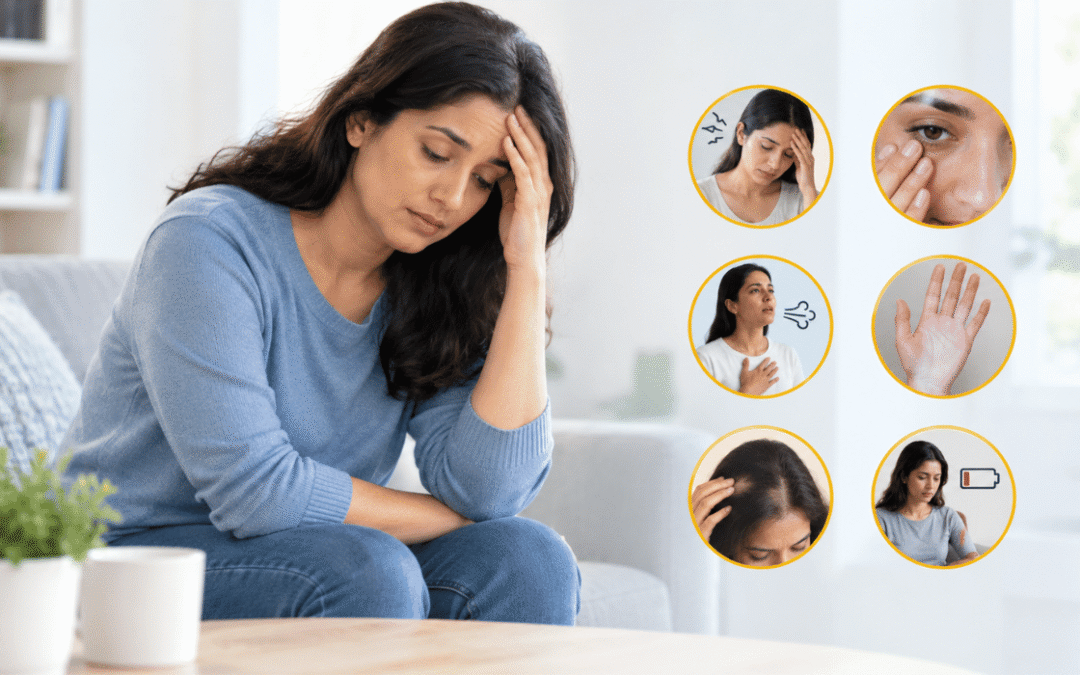
Iron is one of those nutrients that quietly runs the show in the background. When you have enough of it, you barely think about it. When you don’t, everyday tasks like climbing a flight of stairs or getting through an afternoon at work can suddenly feel much harder than they should.
Many people live with low iron for months, sometimes longer, before they connect the dots. A hectic schedule is responsible for the fatigue. The headaches get blamed on stress. The pale skin gets blamed on winter. Recognizing low iron symptoms early can help you understand what your body may be trying to tell you and give you a starting point for a conversation with a healthcare provider.
What Happens When Iron Levels Drop
Iron helps your body produce hemoglobin, the part of your red blood cells responsible for carrying oxygen from your lungs to the rest of your body. When iron runs low, your cells receive less oxygen, and that shortage shows up in ways that can affect your energy, mood, skin, and even how well you concentrate.
Low iron doesn’t happen overnight in most cases. It tends to build gradually, which is exactly why the early signs are so easy to dismiss.
Common Low Iron Symptoms
Persistent Fatigue That Doesn’t Improve With Rest
Feeling tired after a long day is normal. Feeling exhausted after a full night’s sleep, a relaxed weekend, or a lighter workload is a different story. One of the most frequently reported low iron symptoms is fatigue that lingers no matter how much rest you get, because your muscles and organs simply aren’t receiving the oxygen they need to function at full capacity.
Pale Skin and Pale Inner Eyelids
Hemoglobin gives blood, and by extension skin, some of its healthy color. When iron and hemoglobin levels drop, skin can look noticeably paler than usual, and the inside of the lower eyelid may look lighter pink instead of a deeper red. This is one of the more visible clues, and it’s worth checking if you or someone close to you looks unusually washed out.
Shortness of Breath With Light Activity
Walking up a set of stairs, carrying groceries, or doing light housework shouldn’t leave you gasping for air. When iron is low, your body has to work harder to move oxygen where it’s needed, which can make ordinary physical activity feel unexpectedly draining.
Frequent Headaches or Lightheadedness
Reduced oxygen flow to the brain can trigger headaches or a lightheaded, almost foggy feeling, especially when standing up quickly. If this becomes a regular occurrence rather than an occasional annoyance, it’s worth paying attention to.
Cold Hands and Feet
Poor circulation of oxygen-rich blood can leave your hands and feet feeling cold even in a warm room. Some people notice this alongside other symptoms and assume it’s just poor circulation on its own, when low iron may be part of the picture.
Brittle Nails and Hair Changes
Iron plays a role in supporting healthy cell growth, including in hair and nails. Nails that become thin, brittle, or develop a slightly spoon-like shape, along with noticeably increased hair shedding, can sometimes point back to an iron shortfall.
Unusual Cravings for Non-Food Items
A craving for ice, dirt, chalk, or starch is known as pica, and it has a documented connection to iron deficiency. It’s an unusual symptom, but it’s specific enough that it deserves attention if it appears.
Restless Legs at Night
An uncomfortable urge to move your legs, particularly in the evening or while trying to fall asleep, has been linked in research to low iron stores. If this is disrupting your sleep on a regular basis, it’s a reasonable thing to bring up with a doctor.
Difficulty Concentrating
Some people notice they feel mentally slower, more forgetful, or less able to focus during periods of low iron. Since oxygen delivery affects the brain just as much as the muscles, this connection makes physiological sense even though it’s often overlooked.
A Fast or Irregular Heartbeat
When the body doesn’t have enough healthy red blood cells, the heart may beat faster or less evenly as it tries to compensate and circulate available oxygen more efficiently. A noticeably racing heartbeat, especially paired with fatigue, is a sign that shouldn’t be brushed aside.
Who Is More Likely to Experience Low Iron
Certain groups tend to be at higher risk, including women with heavy menstrual cycles, pregnant women, people who follow restrictive diets without adequate planning, frequent blood donors, and people with digestive conditions that affect nutrient absorption. This doesn’t mean everyone in these groups will experience symptoms, but it’s useful context for understanding your own risk.
Supporting Iron Levels Through Plant-Based Foods
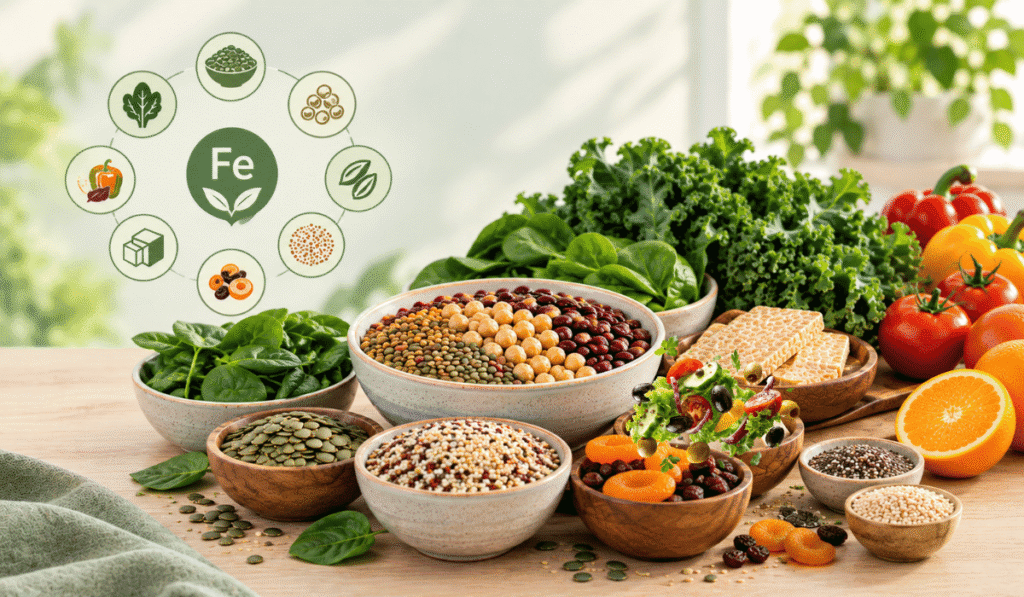
If you suspect your iron intake could use a boost, whole, plant-based foods offer a genuinely effective way to support your levels naturally. Lentils, chickpeas, and beans are among the richest plant sources of iron, and they’re easy to fold into soups, stews, or grain bowls throughout the week.
Leafy greens like spinach and kale, along with pumpkin seeds, sesame seeds, quinoa, tofu, and tempeh, all contribute meaningful amounts of iron as well. Dried fruits such as apricots and raisins can be a simple snack that adds a little extra iron without much effort.
One detail that makes a real difference is pairing these foods with a source of vitamin C, such as citrus fruit, bell peppers, or tomatoes, since vitamin C can help the body absorb plant-based iron more effectively. On the other hand, tea and coffee consumed right alongside iron-rich meals may reduce absorption, so spacing them out a little can be a small but useful habit.
When to See a Healthcare Professional
Low iron symptoms can overlap with several other health conditions, which is exactly why self-diagnosis isn’t reliable. A simple blood test can confirm whether iron is actually the issue and rule out other possibilities. If you’re experiencing several of the symptoms above, especially ongoing fatigue, shortness of breath, or a racing heartbeat, it’s worth scheduling an appointment rather than waiting to see if things improve on their own. This becomes even more important during pregnancy or if you have an existing health condition, since a qualified healthcare provider can guide you toward the right next steps.
Listening to What Your Body Is Telling You
Recognizing symptoms like these takes a certain amount of self-awareness, the kind that doesn’t come naturally to most of us in the middle of a busy week. Building the habit of noticing small, persistent changes in how you feel, rather than pushing through them, is a form of personal growth in its own right. Rajesh Chotalia touches on this idea often in his New Age Indian Dad videos, where he talks about the life lessons that come from paying closer attention to the everyday signals we tend to overlook. If that kind of reflection resonates with you, it’s worth exploring the channel at New Age Indian Dad.
Final Thoughts
Low iron symptoms are easy to explain away, but they’re your body’s way of asking for a closer look. Fatigue, pale skin, shortness of breath, and the other signs covered here aren’t things to push through indefinitely. A combination of iron-rich, plant-based foods, smart pairing with vitamin C, a balanced lifestyle, and a conversation with a healthcare provider when symptoms persist can go a long way toward getting your energy and focus back on track. At Simple Healthy Living Community, the goal has always been to help people build sustainable, realistic habits, and staying attentive to signals like these is very much part of that everyday practice.
Frequently Asked Questions
How long does it take to notice symptoms of low iron?
It varies quite a bit from person to person. Some people notice fatigue and other changes within a few weeks of iron stores dropping, while others may not notice clear symptoms until levels have been low for several months.
Can low iron symptoms come and go?
Symptoms can fluctuate depending on activity levels, sleep, and overall health, but if an underlying iron shortage isn’t addressed, the symptoms typically don’t resolve on their own for long.
Is it possible to have low iron without anemia?
Yes. Iron stores can be low before hemoglobin levels drop enough to be classified as anemia. This earlier stage can still cause fatigue and other mild symptoms.
Can diet alone fix low iron, or do I need supplements?
For mild cases, consistent iron-rich, plant-based eating combined with vitamin C can make a noticeable difference. For more significant deficiencies, a healthcare provider may recommend supplements alongside dietary changes.
Are low iron symptoms different in children?
Children with low iron may show fatigue, irritability, paleness, or reduced interest in normal activities. Because children can’t always describe what they’re feeling, a pediatrician’s evaluation is especially helpful.
Does low iron affect mood?
It can. Reduced oxygen delivery to the brain has been associated with low mood, irritability, and reduced motivation in some people, though these symptoms can have many causes and shouldn’t be assumed to be iron-related without testing.