
Good eyesight is something most of us take for granted until it begins to change. Reading a message on your phone, recognizing a familiar face, or threading a needle all depend on one tiny part of the eye called the macula. When this area starts to wear down, everyday tasks can slowly become more difficult.
Dry macular degeneration is one of the most common causes of vision changes in older adults. Understanding how it develops, what to watch for, and how to manage it can help you protect your sight and keep your independence for as long as possible.
What Is Dry Macular Degeneration?
The macula is a tiny part of the retina, which is the photosensitive lining on the back of the eyeball. It is responsible for sharp, detailed, central vision, the kind you use for reading, driving, and seeing faces.
In dry age-related macular degeneration (AMD), the macula gradually thins and breaks down with age. Tiny yellow deposits called drusen often collect beneath the retina, and the light-sensing cells slowly lose their support. Dry AMD accounts for the majority of AMD cases and usually progresses slowly, over years rather than days.
It mainly affects central vision. Side (peripheral) vision usually stays intact, which means people rarely go completely blind from this condition, but the loss of central sight can still significantly affect daily life.
Common Symptoms
At the early stage, there might not even be any symptoms. This is why eye check-ups are important. As the condition progresses, you may notice:
- Blurred or hazy central vision
- Needing brighter light than before for reading or close work
- Difficulty recognizing faces
- Colors appearing less vivid or faded
- Difficulty adapting in going from light to dark environments
- Straight lines, such as door frames or text lines, looking wavy or distorted
- A dark or blank patch in the center of your vision
These changes often happen gradually, so many people adapt without realizing how much their vision has shifted.
The Stages of Dry Macular Degeneration
Eye doctors generally describe three stages.
- Early Stage: Small drusen deposits are present, but vision is usually normal. Most people have no symptoms, and the condition is found only during a dilated eye exam.
- Intermediate Stage: Drusen become larger, and some people begin to notice mild blurring or a small blind spot in the center of vision. Lighting problems, such as needing more light to read comfortably, become more common.
- Late Stage: In the advanced dry form, often called geographic atrophy, cells in the macula break down and die, creating larger areas of central vision loss. This is the stage that most affects reading, driving, and recognizing faces.
It is also important to know that dry AMD can sometimes turn into the “wet” form, where abnormal blood vessels leak fluid under the macula. This can cause rapid vision changes, so any sudden worsening, distortion, or new dark spot needs urgent attention from an eye specialist.
Who Is More Likely to Develop It?
Several factors increase the risk:
- Age: The risk rises noticeably after 50 to 60.
- Family history: Genetics play a role.
- Smoking: One of the strongest and most preventable risk factors.
- Hypertension and diseases of the heart: They influence the passage of blood into the eye.
- Excess weight and an inactive lifestyle
- Long-term, unprotected exposure to bright sunlight
You cannot change your age or genes, but you can influence many of the others.
How Is It Diagnosed?
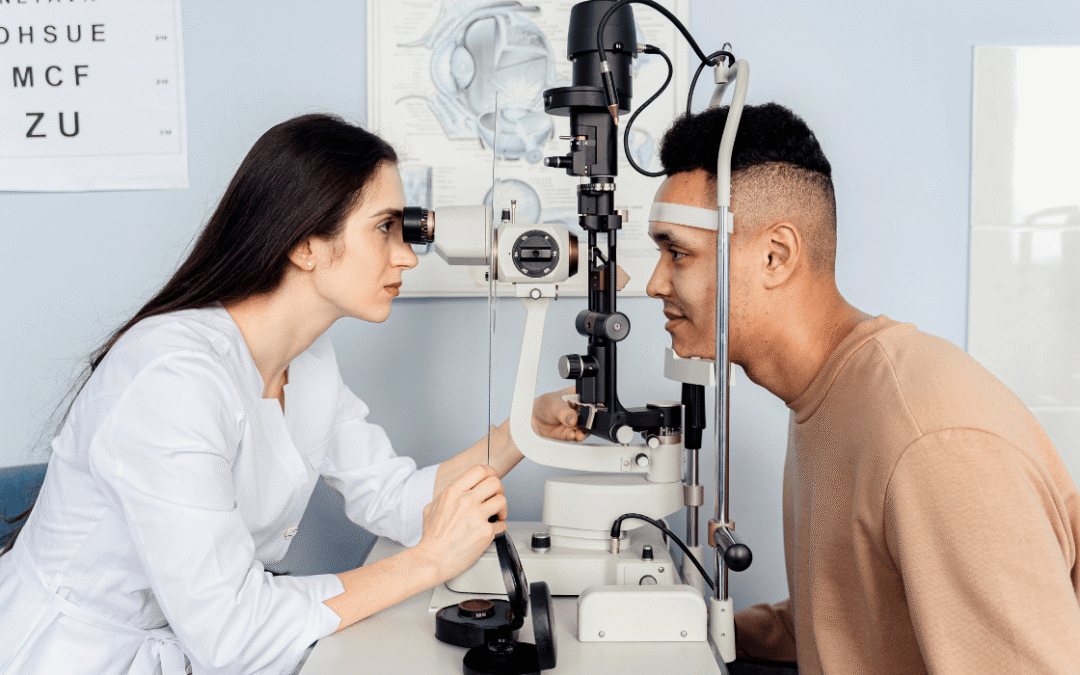
An eye doctor can detect dry AMD through a dilated eye exam, which allows a clear view of the retina. Other tests may include an Amsler grid, a simple pattern of straight lines used to check for distortion, and imaging scans such as optical coherence tomography (OCT), which captures detailed images of the macula. Regular tests after 50 can aid in discovering any changes.
Managing Dry Macular Degeneration
At present, there is no complete cure that restores lost vision, but the right habits can help slow progression and protect the sight you have.
Eat for Eye Health
A colorful, plant-rich diet supports the retina. Good choices include:
- Leafy vegetables like spinach, kale, and fenugreek leaves
- Orange and yellow produce such as carrots, pumpkin, oranges, and papaya
- Nuts and seeds such as almonds, walnuts, flaxseeds, and chia seeds
- Legumes, whole grains, and a variety of fresh fruits and vegetables
Leafy greens are rich in lutein and zeaxanthin, plant pigments naturally found in the macula.
Ask About Eye Supplements
For people with intermediate or advanced AMD in one or both eyes, large studies have shown that a specific combination of vitamins and minerals may help slow progression. Never start these on your own. Your eye doctor can tell you whether they are suitable for you and which formulation to choose, especially if you smoke or have other health conditions.
Quit Smoking
If you smoke, quitting is among the most effective steps you can take. It will minimize the chances of worsening and is good for both your heart and circulatory system.
Protect Your Eyes From the Sun
Wear sunglasses that block ultraviolet rays and a wide-brimmed hat when outdoors for long periods.
Stay Active and Control Other Conditions
Regular walking, yoga, or other moderate exercise supports healthy circulation. Keeping blood pressure, blood sugar, and cholesterol under control also helps protect the delicate blood vessels of the eye.
Monitor Your Vision at Home
Check each eye separately, using an Amsler grid if your doctor recommends one. Contact your eye specialist promptly if lines appear wavy or a new blank spot develops.
Use Low-Vision Aids
If central vision has declined, magnifiers, large-print materials, bright task lighting, high-contrast settings on phones, and text-to-speech tools can make daily life much easier. Low-vision specialists can recommend devices suited to your needs.
Know the Newer Treatment Options
Research in this area is moving forward, and some treatments for advanced dry AMD (geographic atrophy) have been approved in certain countries to slow the growth of damaged areas. These are not suitable for everyone, so a retina specialist is the right person to discuss them with.
Consistency, Mindset, and Long-Term Change
Understanding the biological side of dry macular degeneration is only part of the picture. Long-term change also depends on mindset, patience with setbacks, and the ability to keep showing up even when progress feels slow. This is where health and personal growth genuinely intersect, since managing stress, building better sleep habits, and staying consistent with eye checkups and healthy routines are as much about mental resilience as they are about physical changes.
Rajesh Chotalia speaks to this kind of steady, real-world persistence on his YouTube channel, New Age Indian Dad, where he shares personal stories about navigating setbacks and building better habits one decision at a time. For anyone who finds motivation through honest, lived experience rather than quick fixes, it’s worth a watch: New Age Indian Dad.
When to See an Eye Specialist
Book an appointment if you notice blurred central vision, distortion in straight lines, difficulty reading, or a dark spot in your sight. Seek urgent care if these changes appear suddenly or worsen quickly. Adults over 50, and anyone with a family history, should have regular dilated eye exams even without symptoms.
Final Thoughts
Dry macular degeneration usually develops slowly, which gives you time to respond. With regular checkups, a plant-rich diet, sun protection, no smoking, and steady attention to overall health, you can do a great deal to protect your vision. Small, consistent choices made today can help you keep seeing the people and things you love for years to come.
Frequently Asked Questions
Can dry macular degeneration cause complete blindness?
Usually not. It mainly affects central vision, while side vision generally remains. However, loss of central sight can still make reading, driving, and recognizing faces difficult.
Is there a cure for dry macular degeneration?
There is no cure that fully restores lost vision, but lifestyle measures, certain supplements, and some newer treatments may help slow progression. Your eye specialist can advise what is right for you.
What is the difference between dry and wet macular degeneration?
Dry AMD involves gradual thinning and breakdown of the macula. Wet AMD involves abnormal blood vessels leaking fluid, and it can cause faster, more severe vision loss. Dry AMD can sometimes turn into the wet form.
Which foods are good for eye health?
Leafy greens, colorful fruits and vegetables, nuts, seeds, legumes, and whole grains all support eye health. Spinach, kale, oranges, carrots, almonds, and walnuts are good everyday options.
How often should I get my eyes checked?
Adults over 50 are generally advised to have regular dilated eye exams. Your doctor may recommend more frequent visits if you have risk factors or early signs of AMD.
Can screen time cause macular degeneration?
There is no strong evidence that screen use causes AMD, though long hours can cause eye strain and dryness. Taking regular breaks and keeping good lighting can help your eyes feel more comfortable.