
Most people agree that regular health testing is important, yet many keep postponing it. The reasons are familiar: taking time off work, travelling to a lab, sitting in a crowded waiting room, and fitting everything around an early-morning fasting window. Blood tests are meant to help you stay ahead of health problems, but the effort involved often makes people skip them.
Live blood draw services aim to remove much of that friction. By bringing a trained professional to your home, workplace, or a nearby collection point, they make routine testing simpler, faster, and more comfortable.
What Are Live Blood Draw Services?
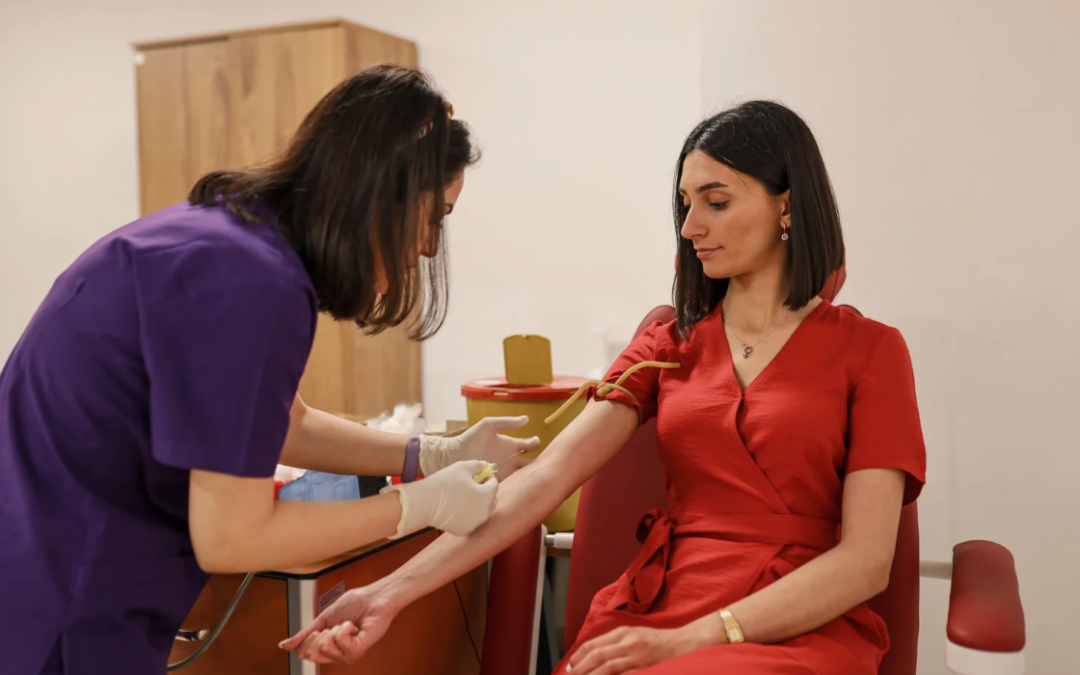
A live blood draw service is an in-person sample collection service. A trained phlebotomist, or a qualified healthcare professional, collects your blood sample on the spot, often at a location of your choice. The sample is then labelled, stored properly, and sent to an accredited laboratory for analysis. Results are usually shared digitally.
It is worth clarifying one point. This is different from “live blood analysis,” a practice where blood is viewed under a microscope and used to make broad health claims. That practice is not supported by solid scientific evidence. A genuine blood draw service collects samples for validated laboratory tests that your doctor can interpret.
Why Convenience Matters in Health Testing
Convenience is not a luxury here. It directly influences the testing of individuals. When testing is easy, people test more regularly, catch changes earlier, and track their progress over time. When it is hard, tests get delayed for months or years, and small issues can quietly grow.
Key Ways These Services Make Testing Easier
- No Travel and Less Waiting
Visiting a lab can mean traffic, parking, queues, and wasted hours. With a live draw service, the professional comes to you. A visit often takes only a few minutes, which fits easily into a morning routine before work.
- Flexible Scheduling
Many services offer early-morning slots, which is helpful for fasting tests. You may schedule a time that fits into your timetable instead of adjusting your timetable to fit laboratory hours.
- Comfort and Privacy
Having your sample collected at home or in a familiar place can feel far less stressful than a busy clinic. This is especially helpful for people who feel anxious about needles or medical settings, since a calm environment can make the experience smoother.
- Aid for Senior Citizens and Individuals with Reduced Mobility
For elderly people, those recovering from illness or surgery, or anyone with difficulty travelling, an in-person visit at home removes a major barrier. Family members also do not need to take time off to accompany them.
- Convenient for Families
Parents can arrange tests for several family members in one visit rather than taking everyone to a lab separately. This saves time and reduces disruption, especially with young children or senior parents.
- Workplace and Group Testing
Health camps can be organized at offices, gymnasiums, and communities. Employees can complete routine tests during working hours without travelling anywhere, which encourages healthier habits across a team.
- Digital Reports and Easy Tracking
Results are typically delivered by email or an app. Having reports stored digitally makes it easier to compare numbers across months and share them with your doctor. Tracking trends in cholesterol, blood sugar, thyroid, or vitamin levels is far more useful than a single reading.
Common Tests You Can Do Through These Services
Depending on the provider, popular tests may include:
- Complete blood count (CBC)
- Lipid profile for cholesterol and triglycerides
- Fasting and post-meal blood sugar, and HbA1c
- Thyroid function tests
- Liver and kidney function tests
- Vitamin D and vitamin B12 levels
- Iron studies
Your doctor can advise which tests are appropriate for your age, symptoms, and risk factors. Avoid ordering large packages you do not need.
How to Prepare for a Blood Draw
Just a little bit of preparation can make everything much easier:
- Fasting instructions: some tests require at least eight to twelve hours without food. You may drink water and stay hydrated.
- Hydration before the test: water makes veins more visible.
- Loose sleeves: for convenient arm access.
- Take medicines as advised. Ask your doctor whether any should be paused before testing.
- Plan a light meal afterward. A bowl of fruit, poha, upma, or a handful of nuts helps restore energy after a fasting test.
- Keep your documents ready. Have your doctor’s prescription or test list handy.
What to Look for in a Good Service
Not all providers are equal. Before booking, check the following:
- Trained professionals: Phlebotomists should be qualified and experienced.
- Hygiene standards: Sterile, single-use needles and proper sample handling are essential.
- Accredited laboratories: Reliable testing depends on quality-controlled labs.
- Clear pricing: Look for transparent costs with no hidden charges for the visit.
- Reliable report timelines: You should know when to expect results.
- Data privacy: Your health information should be stored and shared securely.
Reading reviews and asking your doctor for recommendations can also help you choose wisely.
Things to Keep in Mind
Convenience does not replace medical guidance. A blood test only gives numbers; understanding what those numbers mean for you requires a healthcare professional. Always discuss your results with a doctor rather than interpreting them alone or making major changes based only on an online reading. If a result is far outside the normal range, follow up promptly.
Also remember that some situations call for visiting a hospital or clinic, such as emergencies, tests that need special equipment, or conditions that require monitoring during the procedure.
Consistency, Mindset, and Long-Term Change
Building healthy habits is not just about understanding your health; it is also about staying consistent with small, positive steps over time. Regular checkups, managing stress, and making time for preventive care can become easier when you develop the right mindset. For practical inspiration on building better habits and staying positive through life’s challenges, Rajesh Chotalia shares personal experiences and insights on his YouTube channel, New Age Indian Dad. His perspective on handling setbacks and making gradual improvements complements the idea that lasting health changes often begin with small, consistent actions.
Final Thoughts
Regular blood testing is one of the simplest ways to understand your health, but it only helps if you actually do it. Live blood draw services remove common obstacles like travel, waiting, and rigid timings, making it easier to test consistently and track your progress. Choose a trusted provider, prepare properly, and always review your results with a healthcare professional. When testing becomes easy, taking care of your health becomes a habit rather than a chore.
FAQs
What is a live blood draw service?
It is an in-person service where a trained professional collects your blood sample, usually at your home or workplace, and sends it to a laboratory for testing.
Is a home blood draw as accurate as a lab visit?
Yes, when samples are collected by trained staff and handled correctly. Accuracy depends mainly on proper collection, storage, and the quality of the laboratory that processes the sample.
Do I need to fast before the test?
It depends on the test. Blood sugar and lipid profiles often require fasting, while many others do not. Check the instructions given with your booking or ask your doctor.
How long does the blood draw take?
The collection itself usually takes just a few minutes. The whole visit, including paperwork, is often under fifteen minutes.
How soon will I get my results?
Many routine tests are reported within 24 to 48 hours, while specialized tests may take longer. Your provider can give an estimated timeline.
Is it safe?
Yes, provided the service uses sterile, single-use equipment and follows proper hygiene practices. Always confirm that the provider is reputable and uses trained staff.
Is this the same as live blood analysis?
No. A live blood draw is simply sample collection for standard laboratory tests. Live blood analysis under a microscope is a different practice and is not backed by reliable scientific evidence.