
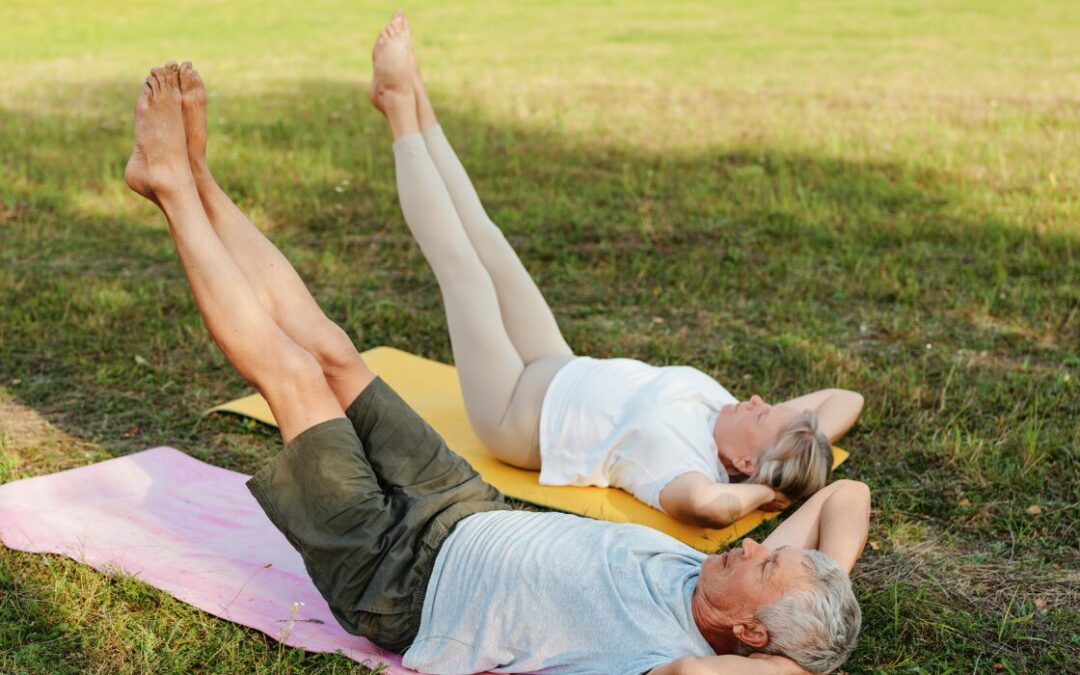
Stronger Legs – Better Stability & Insurance from Falling Injury. Staying active becomes more important as we age, but it often feels harder due to muscle stiffness, reduced mobility, or joint conditions like arthritis. That’s where low-impact tools such as the best exerciser for elderly individuals come in. These exercisers offer a safe, gentle way to strengthen the legs, boost circulation, and support independence—all from the comfort of home.
Instead of worrying about excessive exercise, they recommend daily movement that will keep you agile and active. Whether you are recovering from surgery or just want to keep fit, the best leg exercises for elderly people can make life more manageable and healthy.
Ageing is a natural part of life, and staying active can make it easier. The New Age Indian Dad YouTube channel shares a simple account of my daily life, including family, health, and struggles.
Why Choosing the Best Leg Exerciser for the Elderly Matters
Not all exercise equipment is appropriate for the elderly. The best leg exercise for the elderly will introduce smooth movement without putting pressure on the body. It keeps the elderly mobile despite the fact that walking for an extended period of time can be quite challenging.
The majority of older adults suffer from loss of muscle (sarcopenia), loss of balance, and poor circulation, especially in the legs. Adults age 65 and older must engage in at least twice a week of exercise with physical activity to preserve strength and balance, according to the Centers for Disease Control and Prevention (CDC). Leg exercisers make it easy and safe for this recommendation to be achieved.
Benefits of Using a Leg Exerciser for the Elderly
Use of a leg exerciser has some physical as well as psychological advantages:
- Increased Circulation: Leg movement improves circulation, preventing swelling or clotting. It is also helpful for patients with extended sitting.
- Increased Muscle Tone and Strength: It maintains muscular bulk in the legs, which is beneficial in walking, standing, and mobility.
- Mobility of the Joints: Regular use reduces stiff joints, especially the knees and the hips.
- Weight Control: Low-impact exercise controls weight and prevents lifestyle diseases.
- Mental Health: Physical exercise improves mood, reduces anxiety, and improves the quality of sleep.
Types of Leg Exercisers Ideal for Elderly Users
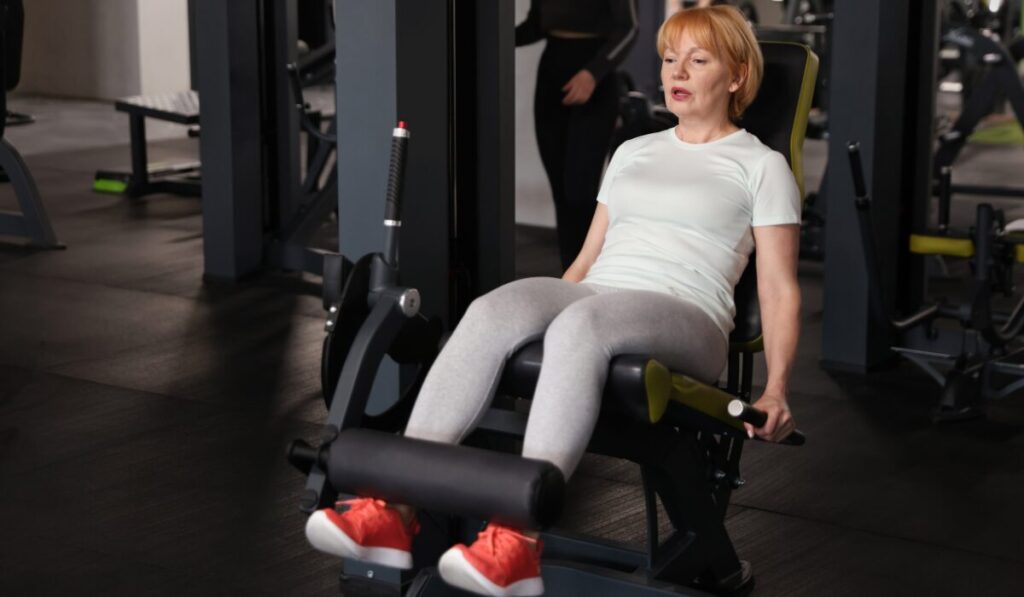
Leg exercises differ depending on the fitness level and mobility of the user. While doing this exercise, pull your Stomach Inn to improve core Strength. Pay attention to breathing in and out and exhale fully.
- Pedal Exercisers: Small and sit-down. Offer safe, low-impact exercise, ideal for older people who want to stay active while sitting down and watching TV or reading.
- Electric Motorised Pedal Exercisers: Ideal for those with severely poor mobility. The motor helps move the legs passively, improving circulation with minimal effort.
- Mini Steppers: Offer a more energetic workout. Suitable for older people who can stand and require exercise of the lower body.
- Resistance Bands: They are more effective but extremely simple. They can be utilized during seated leg lifts, ankle exercises, etc.
- Seated Leg Press Machines: They are available in some rehab facilities or home-based fitness gyms, offering controlled resistance training.
Key Features to Look for in the Best Leg Exerciser for the Elderly
In choosing the best leg exercise for the elderly, comfort and safety should come above all else. The following features should be taken into account:
- Adjustable Resistance: Facilitates a gradual beginning with slow movement and a progressive increase as strength builds up.
- Non-Slip Base: Prevents the machine from tipping over when used, especially on slippery surfaces.
- Portability and Lightweight Design: Easy to carry and push aside when not in use.
- Clear Digital Display: For monitoring time, distance covered, and calories consumed.
- Foot Straps: Offers support for the feet and prevents slipping during pedalling.
Best Leg Exercisers for the Elderly with Limited Mobility
Older adults with limited mobility due to injury, post-surgery recovery, or illness need easy-to-access equipment. Some of the best include:
- Motor-Assisted Pedal Exercisers: Easily move the legs and bring blood flow without exerting effort.
- Under-Desk Pedal Exercisers: Ideal for sitting—actually may fit under a table.
- Pedal Trainers with Handlebars: Allow for upper body support for better balance when sitting.
- Flat Resistance Bands: Ideal for stretching legs out from a reclining or sitting position.
These help seniors maintain leg strength and avoid stiffness—even if they are unable to walk very far.
How Often Should Seniors Use a Leg Exerciser?
Frequency is more important than intensity. The elderly can do the following regimen most often, which is generally safe and effective:
- 3 to 6 sessions a week of low- to moderate-intensity leg exercise
- 15 to 30 minutes per session
- Start at 5 to 10 minutes, especially if new to exercise, then build up gradually
- Rest breaks between sessions to allow for muscle recovery
Safety Tips for Using a Leg Exerciser at Home
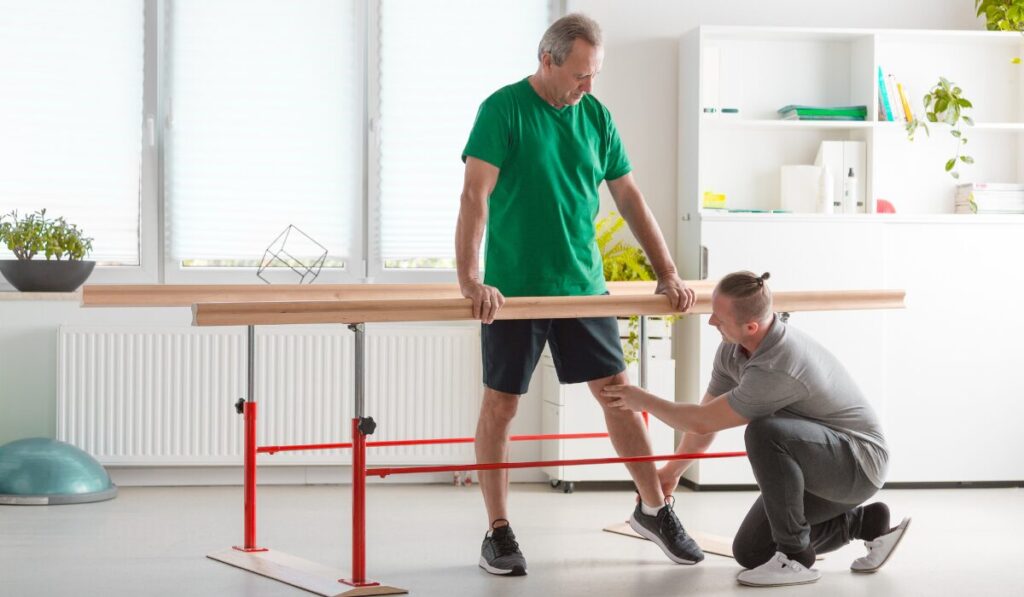
For each session to be safe:
- Use on a firm, flat surface such as a carpet or mat.
- Sit in a chair with a sturdy back—never on couches or wheelchairs.
- Slowly alternate resistance and avoid jerky motion.
- Stop immediately if discomfort or pain is felt.
- Keep water nearby and hydrate.
Safety always comes first—especially for seniors.
Recommended Leg Exercises for the Elderly at Home
No gym? No problem. These are simple exercises seniors can do at home with leg exercisers or minimal equipment:
- Seated Pedal Reps: Pedal 10–20 minutes to warm the blood and get the circulation going.
- Resistance Band Leg Lifts: Sit down, encircle the band around your ankles, and lift each leg slowly.
- Heel and Toe Taps: Sit down, and lift toes and then heels. Repeat 15–20 times.
- Ankle Circles: Relieves ankle stiffness and swelling.
- Calf Raises (Standing): Stand behind a chair for support and stand on tiptoes.
Perform exercises regularly to achieve balance and strength in the long term.
Conclusion
Whether you’re aging well or recovering from an injury, finding the best leg exerciser for elderly adults can make a real difference in daily life. From improving circulation to strengthening and remaining independent, these devices offer simple yet efficient benefits.
Select one depending on your individual health requirements and comfort. Start with light resistance, maintain it, and above all—listen to your body. Exercise is medicine, for certain, and one can never start too late.
FAQ’s
What is the safest leg exerciser for elderly people?
The safest option for seniors is a pedal exerciser with non-slip feet, adjustable tension, and a solid base. They are seated-use only so there is less risk of falling, and are ideal for home use.
Can seniors use leg exercisers every day?
Yes, the majority of older adults will derive some benefit from the daily use of a leg exerciser, but at a light to moderate intensity level. Listen always to what your body is saying to you and take days off when you are tired or sore. More frequent and shorter exercise sessions are better than fewer, longer ones.
Are leg exercisers good for seniors with arthritis?
Yes. Leg exercisers provide low-impact, smooth movement, which is very much recommended for individuals with arthritis. Leg exercisers decrease stiffness in the joints, enhance flexibility, and maintain mobility without placing further strain on the hips or knees.
Do leg exercisers help with poor circulation?
Yes, they are especially useful to support the augmentation of perfusion of the lower limbs, in which blood supply diminishes with age or lack of use. Daily wear can reduce swelling, suppress blood clots, and bring about healthier leg function, particularly in seniors who spend many hours lying on their backs.