
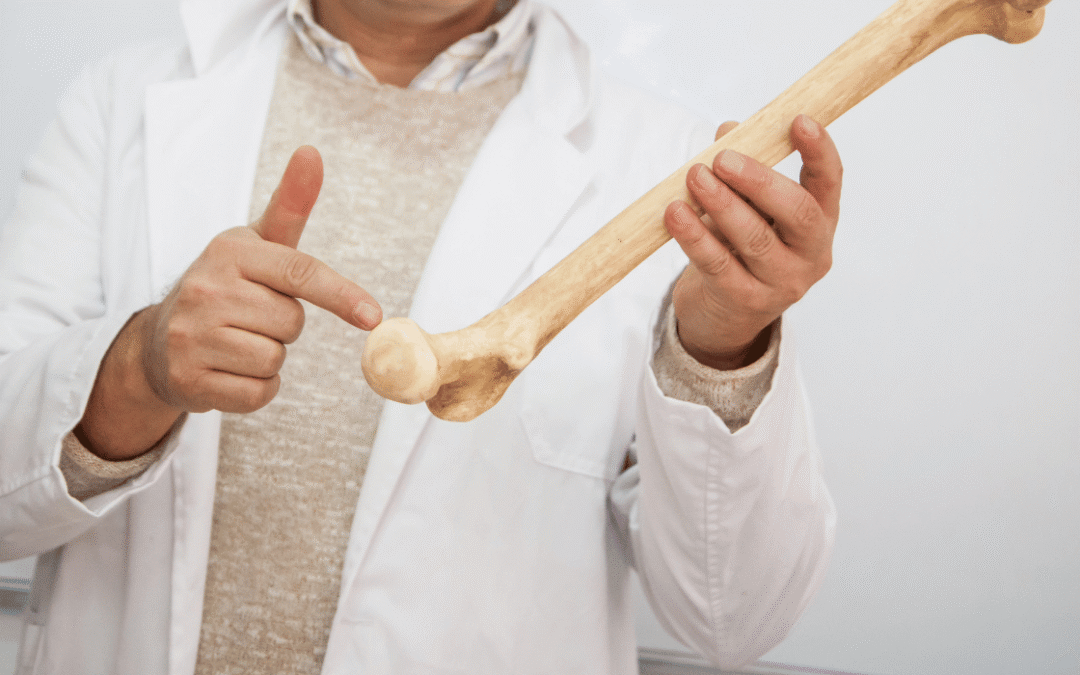
Your bones do a lot more than hold you upright. They protect your organs, support movement, and even store important minerals your body needs every single day. Yet most of us don’t think about our bone health until something goes wrong, like a fracture or a diagnosis of low bone density.
The truth is, bone health tips aren’t just for older adults. Your bones are living tissue that renews itself throughout your life, which means the habits you build today, whether you’re 25 or 65, directly shape how strong and resilient your skeleton will be years from now.
The good news is that keeping your bones strong doesn’t require anything complicated. With the right natural foods, simple movement habits, and a few lifestyle adjustments, you can support your bone strength at every stage of life. Let’s walk through what you need to know.
What Is Bone Health, Really?
Bone health refers to how strong, dense, and resilient your bones are. Inside your bones, there’s a constant cycle happening: old bone tissue breaks down while new bone tissue forms to replace it. This process is called bone remodeling.
When you’re young, your body builds new bone faster than it breaks down old bone, which is why bone density typically peaks in your late twenties to early thirties. After that, the balance gradually shifts, and bone loss can slowly outpace bone formation if it’s not supported through diet and lifestyle.
Good bone health means your bones can handle daily stress, like walking, lifting, or even a minor bump, without becoming fragile or prone to fractures.
Who Needs to Pay Attention to Bone Health?
While everyone benefits from strong bones, some groups should be especially mindful:
- Women, especially after menopause, since hormonal shifts can speed up bone density loss
- Adults over 35, as natural bone density decline typically begins around this age
- People with low calcium or vitamin D intake
- Those who lead a mostly sedentary lifestyle
- Individuals with a family history of osteoporosis or bone fractures
- People who smoke or consume excess caffeine or alcohol regularly
If you fall into any of these categories, it’s worth paying closer attention to the habits covered in this article.
Signs Your Bones May Need Extra Care
Bone loss is often called a “silent” process because it doesn’t usually cause pain until damage has already occurred. Still, there are some signs worth watching for:
- Frequent or unexplained bone or joint pain
- Losing height gradually over the years
- A noticeable change in posture, such as a stooped or hunched back
- Fractures that happen from minor falls or bumps
- Brittle or weak-feeling nails, which can sometimes reflect broader nutrient gaps
- Receding gums, which are occasionally linked to lower bone density in the jaw
If you’re noticing several of these signs together, it’s a good idea to speak with a healthcare professional about a bone density screening.
Natural Strategies to Build and Protect Strong Bones
Prioritize Calcium-Rich Plant Foods
Calcium is the primary mineral your bones are made of, and you don’t need dairy to get plenty of it. Some excellent plant-based sources include:
- Leafy greens like kale, bok choy, and collard greens
- Sesame seeds and tahini
- Almonds and almond butter
- Tofu made with calcium sulfate
- Fortified plant-based milks, such as almond, soy, or oat milk
- Figs and dried apricots
- Chia seeds and flaxseeds
Try to include a calcium-rich food in at least two meals a day to give your body a steady supply.
Don’t Overlook Vitamin D
Vitamin D helps your body absorb calcium effectively, so even a calcium-rich diet won’t help much if vitamin D levels are low. The most natural source is sunlight, so aim for 15 to 20 minutes of sun exposure most days, depending on your skin tone and climate.
Mushrooms exposed to sunlight, fortified plant milks, and fortified cereals can also contribute to your vitamin D intake. If you live somewhere with limited sunlight, it may be worth discussing a supplement with your healthcare provider.
Get Enough Magnesium and Vitamin K2
These two nutrients often don’t get enough attention, but they play a real role in bone strength. Magnesium helps convert vitamin D into its active form, while vitamin K2 helps direct calcium into your bones instead of your blood vessels.
Good sources of magnesium include pumpkin seeds, spinach, black beans, and cashews. Vitamin K2 is less common in plant foods but can be found in fermented foods like natto, and some leafy greens also provide vitamin K1, which your body can partially convert.
Make Weight-Bearing Exercise a Habit
Your bones respond to the stress placed on them by getting stronger. Weight-bearing and resistance exercises signal your body to build more bone density. Some effective options include:
- Brisk walking or hiking
- Bodyweight strength training, like squats and lunges
- Dancing
- Climbing stairs
- Light resistance band workouts
Aim for at least 30 minutes of weight-bearing activity most days of the week. Even small amounts of consistent movement add up significantly over time.
Limit Habits That Weaken Bones
Certain everyday habits can quietly work against your bone health:
- Smoking, which interferes with calcium absorption and bone-forming cells
- Excess caffeine, which can increase calcium loss through urine
- High sodium intake, which may also increase calcium excretion
- Excess alcohol consumption, which can disrupt the bone remodeling process
You don’t need to eliminate everything all at once. Small, gradual reductions often lead to lasting change.
Healthy Lifestyle Tips for Lifelong Bone Strength
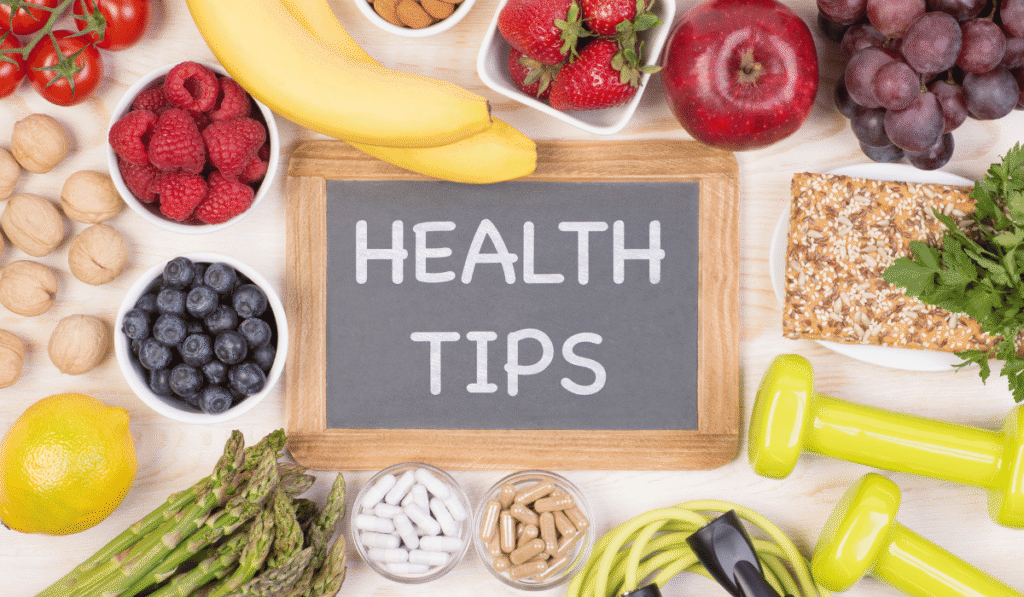
Beyond diet and exercise, your overall lifestyle plays a bigger role in bone health than most people realize.
- Prioritize quality sleep, since much of your body’s repair and remodeling, including bone tissue, happens during deep sleep. improve sleep quality
- Manage stress, as chronic stress raises cortisol levels, which can interfere with bone formation over time
- Maintain a healthy body weight, since being significantly underweight is linked to lower bone density
- Stay consistent rather than perfect, since bone health is built through years of small, steady habits
Many healthy lifestyle changes begin with small daily decisions. Rajesh Chotalia often discusses personal growth, life lessons, and real-world experiences on his YouTube channel, New Age Indian Dad, where he shares insights from his own journey toward healthier living, including how everyday routines can shape long-term physical wellness.
When to Seek Professional Help
While natural habits go a long way in supporting bone health, some situations call for professional guidance. Consider speaking with a healthcare provider if you experience:
- A fracture from a minor fall or bump
- Persistent, unexplained bone or joint pain
- A noticeable loss in height
- A family history of osteoporosis, especially if you’re over 50
- Concerns about your calcium or vitamin D levels
A healthcare professional can recommend a bone density scan (DEXA scan) if needed and help you build a plan suited to your specific needs. Symptoms and risk factors vary from person to person, so personalized guidance is always valuable.
Conclusion
Strong bones aren’t built overnight, but they’re absolutely worth investing in at every stage of life. By focusing on calcium-rich plant foods, getting enough vitamin D, staying active with weight-bearing exercise, and taking care of your overall lifestyle, you’re giving your body the tools it needs to stay strong and resilient for years to come.
Small, sustainable steps make the biggest difference over time. At Simple Healthy Living Community, we believe that lasting health comes from consistent, natural habits rather than quick fixes. If you’re ready to take the next step toward better bone health and overall wellness, explore more resources and guidance at simplehealthylivingcommunity.org.
— Rajesh Chotalia, Founder, Simple Healthy Living Community
Frequently Asked Questions
At what age should I start focusing on bone health?
It’s best to start as early as possible, ideally in your twenties and thirties, since this is when your bones typically reach peak density. That said, it’s never too late to adopt bone-friendly habits, even later in life.
Can I get enough calcium without dairy products?
Yes, absolutely. Plant-based foods like leafy greens, sesame seeds, almonds, tofu, and fortified plant milks provide plenty of calcium when included regularly in your diet.
How much weight-bearing exercise do I need for strong bones?
Aim for at least 30 minutes most days of the week. Activities like brisk walking, bodyweight exercises, and dancing are all effective and accessible options.
Does stress really affect bone health?
Yes, chronic stress raises cortisol levels, which can interfere with the natural bone remodeling process over time. Managing stress through relaxation, movement, and good sleep supports bone strength indirectly.
Is bone loss reversible?
Bone density loss can often be slowed and, in some cases, partially improved through consistent nutrition, exercise, and lifestyle changes. However, results vary by individual, so it’s best to work with a healthcare professional for personalized guidance.