
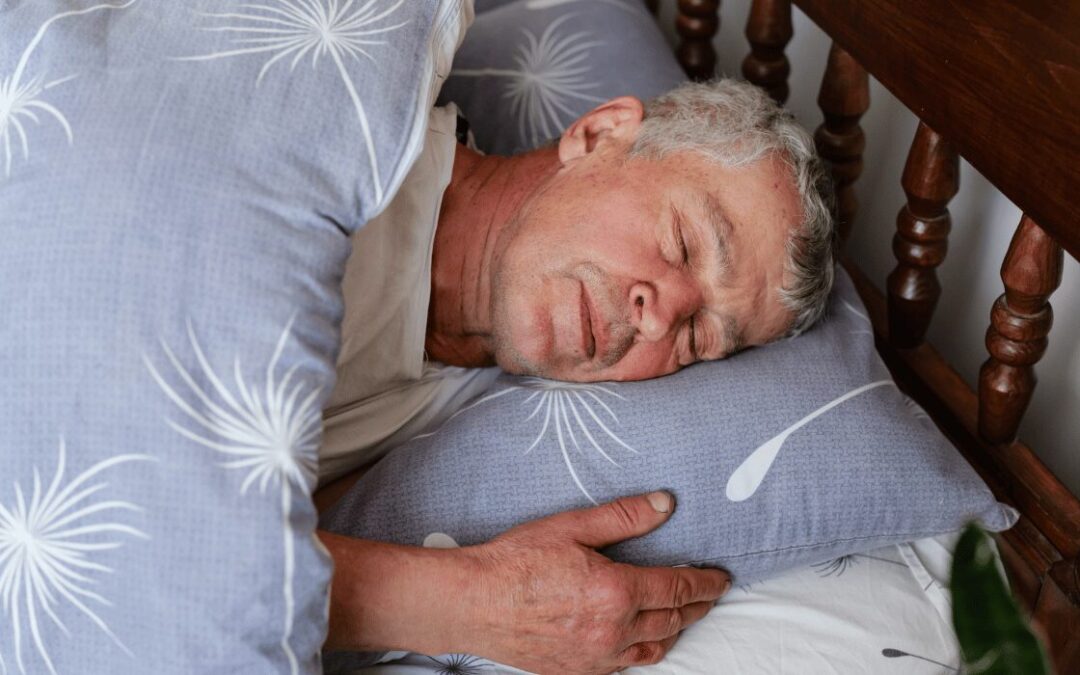
Sleep is essential for good health at every stage of life. It allows the body to repair itself, supports brain function, and helps maintain emotional balance. However, many older adults struggle with sleep problems. As people age, their sleep patterns change, and they may find it harder to fall asleep, stay asleep, or wake up feeling refreshed.
Sleep issues are very common among seniors. Many older adults report poor sleep quality due to changes in their lifestyle, health conditions, medications, or stress. When sleep problems continue for a long time, they can affect energy levels, mood, memory, and overall well-being.
The good news is that most sleep problems can be improved. With simple lifestyle adjustments, healthy habits, and proper guidance, older adults can achieve better sleep and improve their quality of life.
In this article, we will explore the most common sleep problems in older adults and practical ways to fix them.
Why Sleep Changes With Age
As people grow older, their bodies go through natural changes that affect sleep. One of the main reasons is the reduction in melatonin production. Melatonin is a hormone that helps regulate the sleep-wake cycle.
Older adults also tend to experience lighter sleep compared to younger individuals. This means they may wake up more easily due to noise, discomfort, or changes in temperature. In addition, health conditions such as arthritis, diabetes, or heart disease can interfere with restful sleep.
Lifestyle changes after retirement, reduced physical activity, or stress related to aging can also affect sleep quality.
Understanding these changes is the first step toward improving sleep.
Common Sleep Problems in Older Adults
Insomnia
Insomnia is one of the most common sleep problems among older adults. It occurs when someone has difficulty falling asleep, staying asleep, or waking up too early and not being able to go back to sleep.
Many seniors experience insomnia due to stress, medication side effects, poor sleep habits, or underlying health issues.
Symptoms of Insomnia
Common symptoms include:
- Difficulty falling asleep
- Waking up several times during the night
- Waking up very early in the morning
- Feeling tired during the day
- Difficulty concentrating
Insomnia can lead to mood changes, irritability, and reduced daily productivity if it continues for a long time.
How to Fix Insomnia
There are several natural ways to improve insomnia.
Maintain a consistent sleep schedule by going to bed and waking up at the same time every day. Avoid caffeine in the evening, as it can stimulate the brain and delay sleep.
Creating a relaxing bedtime routine can also help. Activities such as reading, gentle stretching, or meditation can calm the mind and prepare the body for sleep. No TV or Phone 2 hours before sleep. Take a warm shower or soak yourself in the tub with Epsom salt. Dark room, cool temp between 63°F and 67°F will enhance the quality of sleep.
Sleep Apnea
Sleep apnea is another common sleep disorder among older adults. It occurs when breathing repeatedly stops and starts during sleep.
This happens when the airway becomes partially or completely blocked. Each pause in breathing can wake the person briefly, often without them realizing it.
Symptoms of Sleep Apnea
Some common signs include:
- Loud snoring
- Gasping for air during sleep
- Morning headaches
- Dry mouth upon waking
- Excessive daytime sleepiness
Sleep apnea can increase the risk of heart disease, high blood pressure, and stroke if left untreated.
How to Fix Sleep Apnea
Maintaining a healthy weight can help reduce the severity of sleep apnea. Sleeping on your side rather than your back can also improve breathing during sleep.
In many cases, doctors recommend a CPAP machine, which helps keep the airway open throughout the night. Another option is to see the dentist who specialises in sleep apnea, where they can fit a device in your jaw.
Restless Legs Syndrome
Restless Legs Syndrome (RLS) is another condition that can disturb sleep. It causes uncomfortable sensations in the legs and a strong urge to move them.
These sensations usually occur in the evening or at night when the person is resting.
Symptoms of Restless Legs Syndrome
Common symptoms include:
- Tingling or crawling sensations in the legs
- An uncontrollable urge to move the legs
- Symptoms worsening at night
- Temporary relief after moving or stretching
These sensations can make it difficult to fall asleep and may cause frequent nighttime awakenings.
How to Fix Restless Legs Syndrome
Regular exercise and stretching can help reduce symptoms. Reducing caffeine intake may also improve the condition. Taking Magnesium Chloride 1000mg once or twice a day will help you relax and sleep better.
Some people find relief through warm baths, leg massages, or relaxation exercises before bedtime.
Frequent Nighttime Urination
Many older adults wake up several times during the night to use the bathroom. This condition is known as nocturia.
While occasional nighttime urination is normal, frequent interruptions can disturb sleep and lead to daytime fatigue.
Causes of Nighttime Urination
Common causes include:
- Drinking too many fluids before bedtime
- Diabetes
- Bladder problems
- Certain medications
- Enlarged prostate in men
How to Fix Nighttime Urination
To reduce nighttime bathroom visits, try limiting fluid intake two to three hours before bedtime. Avoid caffeine and alcohol in the evening, as they can increase urine production.
It is also helpful to empty the bladder right before going to bed.
If the problem continues, consulting a healthcare professional may help identify the underlying cause.
Circadian Rhythm Changes
Circadian rhythm refers to the body’s natural internal clock that controls sleep and wake cycles.
As people age, this internal clock may shift. Many older adults feel sleepy earlier in the evening and wake up earlier in the morning.
Signs of Circadian Rhythm Changes
Common signs include:
- Feeling sleepy in the early evening
- Waking up very early in the morning
- Difficulty staying awake late at night
How to Fix Circadian Rhythm Changes
Getting exposure to natural sunlight in the morning can help regulate the body’s sleep cycle.
Regular physical activity during the day also helps improve sleep patterns. It is also beneficial to limit screen time before bedtime, as blue light from phones and televisions can disrupt sleep signals.
Healthy Habits That Improve Sleep

Developing healthy daily habits can make a big difference in sleep quality for older adults.
Stay Physically Active
Regular physical activity improves sleep quality and helps people fall asleep faster. Walking, stretching, or practicing yoga can help relax the body and improve overall health.
However, avoid intense exercise close to bedtime.
Eat a Balanced Diet
A healthy diet supports better sleep. Foods rich in magnesium, calcium, and vitamins help regulate sleep hormones.
Avoid heavy meals late at night, as digestion can interfere with sleep.
Reduce Stress and Anxiety
Stress is a major contributor to sleep problems. Practicing relaxation techniques such as meditation, prayer, or deep breathing can calm the mind before sleep. Getting a coach or a medical Psychologist and Psychiatrists will improve this.
Maintaining a positive routine and focusing on personal well-being can also improve sleep.
Learning Healthy Life Lessons for Better Sleep
Sometimes improving sleep is not only about physical health but also about emotional balance and life perspective. Many people find motivation and helpful insights from real-life experiences shared by others.
For example, the YouTube channel New Age Indian Dad, created by Rajesh Chotalia, shares personal experiences about life’s journey, survival, struggles, and valuable lessons learned over time. The channel offers thoughtful reflections on personal growth, health awareness, and living a balanced life. Listening to such real-life stories can inspire older adults to focus on mental peace, gratitude, and positive lifestyle changes, all of which can contribute to better sleep and overall well-being.
Create a Comfortable Sleep Environment
A peaceful sleeping environment plays a major role in improving sleep.
Consider these simple steps:
- Keep the bedroom quiet and dark
- Maintain a comfortable room temperature
- Use supportive pillows and mattresses
- Avoid watching television in bed
A calm and comfortable space signals the body that it is time to relax.
When to Seek Medical Help
Occasional sleep problems are normal, but persistent sleep issues should not be ignored.
Older adults should speak with a healthcare provider if they experience:
- Chronic insomnia
- Loud snoring with breathing pauses
- Severe daytime fatigue
- Sleep disturbances lasting several weeks
Medical professionals can help identify underlying health conditions and recommend appropriate treatments.
Final Thoughts
Sleep problems are common among older adults, but they are not something that should be ignored. Conditions like insomnia, sleep apnea, restless legs syndrome, and circadian rhythm changes can significantly affect daily life and long-term health.
Fortunately, many sleep issues can be improved with simple lifestyle changes. Maintaining a consistent sleep routine, staying physically active, managing stress, and creating a comfortable sleep environment can all support better sleep.
At Simple Healthy Living Community, the goal is to encourage healthy habits, emotional balance, and natural wellness practices that help individuals live healthier and more fulfilling lives.
With the right knowledge and small daily improvements, better sleep and better health are possible at any age.
FAQ’s
What are the most common sleep problems in older adults?
Older adults often experience insomnia, sleep apnea, restless legs syndrome, frequent nighttime urination, and changes in circadian rhythm. These issues can cause difficulty falling asleep, waking up frequently, early morning awakenings, or poor-quality sleep. Identifying the underlying cause is key to improving rest and overall health.
Why do older adults have trouble sleeping?
As people age, melatonin production decreases, deep sleep becomes lighter, and circadian rhythms shift. Medical conditions, medications, stress, and lifestyle changes also contribute. These factors combined can make it harder for older adults to fall asleep, stay asleep, or wake up feeling refreshed, leading to fatigue and reduced quality of life.
How can insomnia in seniors be treated naturally?
Insomnia can be improved by maintaining a consistent sleep schedule, avoiding caffeine in the evening, and limiting naps. Relaxing bedtime routines, like reading or gentle stretching, can calm the mind. Exercise during the day and exposure to sunlight in the morning also help regulate the sleep-wake cycle and support better nightly rest.
What is sleep apnea, and how does it affect older adults?
Sleep apnea is a condition where breathing repeatedly stops and starts during sleep due to airway obstruction. Older adults may experience loud snoring, gasping, morning headaches, and daytime fatigue. Untreated sleep apnea can increase the risk of heart disease and high blood pressure. Treatments include lifestyle changes, positional therapy, or CPAP machines.
Can lifestyle changes improve sleep in older adults?
Yes, lifestyle changes greatly improve sleep quality. Regular exercise, balanced nutrition, stress reduction techniques, and limiting caffeine or alcohol can all support restful sleep. Creating a quiet, dark, and comfortable sleep environment, along with consistent bedtime routines, helps regulate the body’s natural sleep-wake cycle.
How does Restless Legs Syndrome affect sleep?
Restless Legs Syndrome (RLS) causes uncomfortable sensations in the legs and an urge to move them, especially at night. These sensations can make it difficult to fall asleep and cause frequent awakenings. Stretching, light exercise, reducing caffeine, and maintaining healthy iron levels often help reduce symptoms and improve nighttime rest.
When should older adults see a doctor about sleep problems?
If sleep issues persist for several weeks, cause excessive daytime fatigue, or include loud snoring, breathing pauses, or severe insomnia, a healthcare professional should be consulted. Persistent sleep problems may signal underlying health conditions that need treatment, and early intervention can prevent complications and improve overall health and quality of life.